This is a book about low-maintenance photography. I don’t assume that you have a great camera, dedicated lighting equipment, Photoshop, attractive models, or even much time or passion to dedicate to photography.
I know there are people who know from birth that they want to be photographers and will throw all the time and money needed to make it. This guide is not for them.
This is for others. Some may become the type to do that. Others may just want to express themselves. Some may just love instagram and want to do something. but faced with the prospet that doing so requires more money etc., they may not even try.
This book is for them.
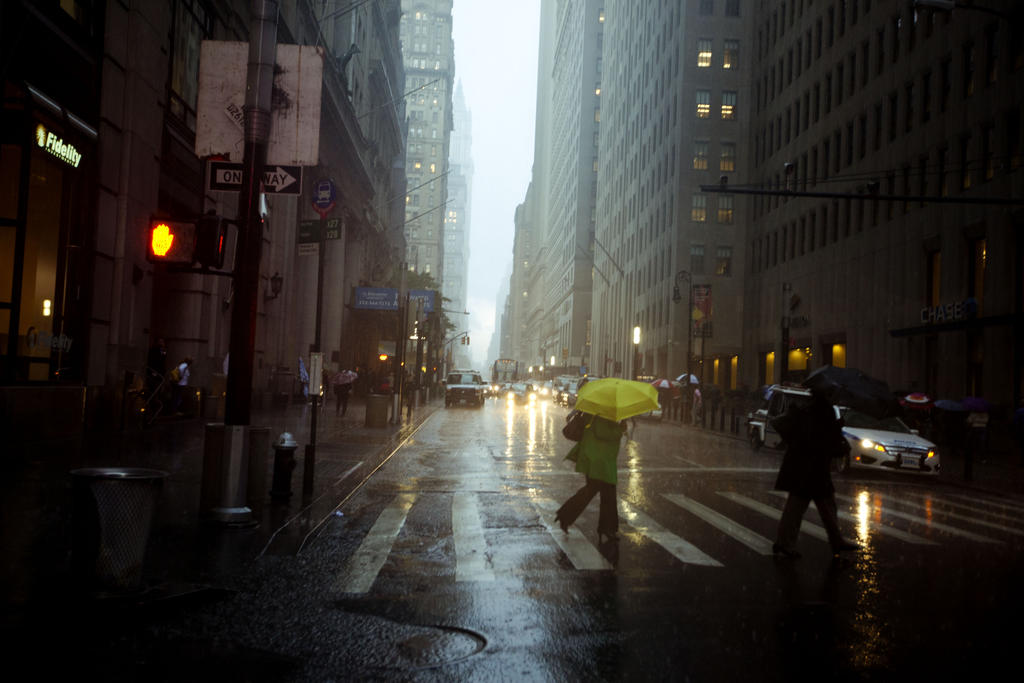
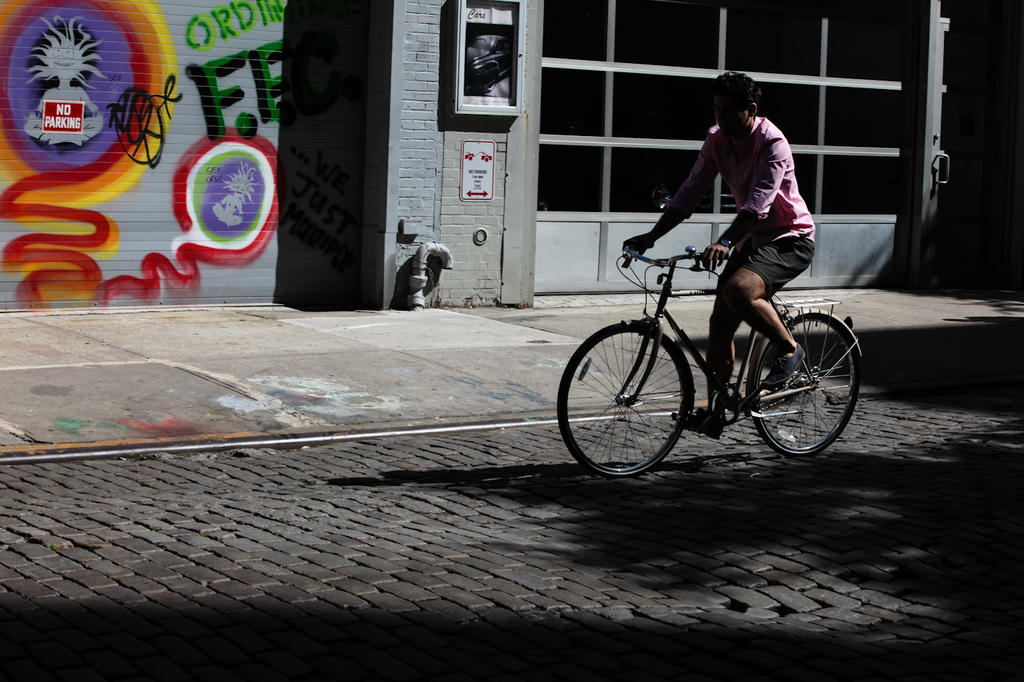
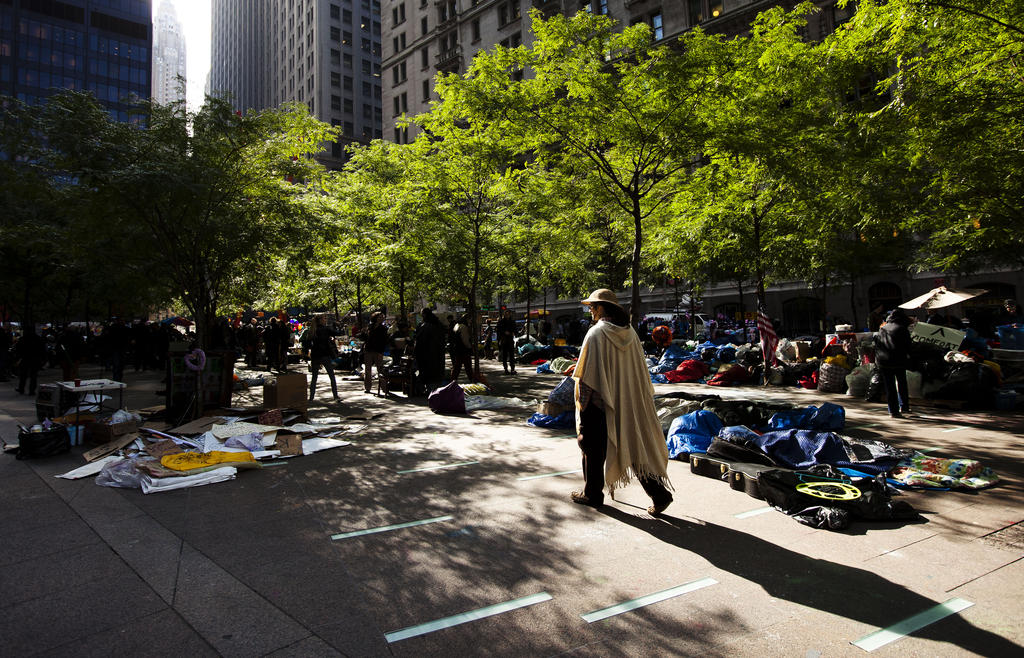
Most of the photos in this book are street photography, photos that I have just because I happened to be there, not because I was paid.
This is just about a desire to try something. The rest of it, the, is up to you.
Another way to phrase this book’s goal: to teach how to take photos without using your camera’s flash.
… I’d call this the hacker’s guide to photography, because it’s about making do with what you have. But it’s not hackerly in the technical sense.
If that doesn’t sound like much, that’s fine. I want this book to be the least comprehensive “book” ever on the topic of photography.
about me ive shot photos with a real camera for about five years now. i domoccassionally get paid jobs, publication requests, . my own specialty is street photography, becausenitsneasy to do and captures what ill miss most when i leave a place.
The path
The practical path we’ll take will go past relying on your camera’s automatic mode to controlling its manual settings.
I’m aiming to say the least amount possible needed to explain to someone who just wants to take better pictures the camera they bought but don’t know how to use.
So this book contains no detailed discussion on the science (e.g. I describe aperture as “a hole that light goes through”) of optics and skips basic topics you’ll find in other tutorials. I think you’ll be inspired to go on learning once you start taking betterp hotos with results.
You definitely won’t find much here about how proper composition or good taste; you’ll have to figure that on your own.
Interested? Then jump to the table of contents. Or keep reading for more information about this book, including my inspiration for it, how to copy it and/or leave feedback.
Trying to teach
I recently helped a friend start a clothing line (proofNY.com – I promise to only bombard you with the most tasteful of self-promotions) by doing the principal photography for it. He’s a photo enthusiast himself and I realized I may not be able to do all the photos, so, killing two fish with one fishing line, I started writing this guide to show him how to make some usable shots himself when needed.
It doesn’t make sense these days to just teach only one person now that we have the Internet. So, that’s how this book exists. And it’s how the original Bastards Book (of Ruby) came about.
I hope to update the Ruby book someday and launch other blogging projects. This primer on photography gives me a nice chance to refine my writing.
Technical details
This book gave me the chance to try out Octopress, which is billed as a ”blogging framework for hackers.” It’s been so fun to use that I’m going to move the Ruby book and future projects to it.
This site is hosted on Amazon S3 but the source code is available on Github.
About the photography
The photos here span about 5 years, some taken from when I bought my first SLR to photos I shot a few days before hitting the “publish” button.
My background is in photojournalism so I’ve done my best to abide by the Associated Press standard; but I’m sure there a few where I’ve bumped up the saturation because etc etc.
I’ve traditionally licensed my photos as non-commercial Creative Commons, and this is the case for the photos found in this book. This is nto because I undervalue them, but because they’re more valuable as examples and I hope, in some cases, inspiration. And that’s easier to exploit with permissive sharing. It’s hard to charge for thigns when I’m lucky.
(And if I’m giving this away for free, imagine what I produce on paid jobs).
Send me around
This book is freely distributable under a Creative Commons non-commercial license (CC BY-NC 3.0).
It is also open source; you can examine the code (it’s basically poorly-modified Octopress) and keep track of any changes made on Github.
I’ve traditionally let anyone use my photos for both non-commercial and, – if you get permission – commercial purposes. The same applies to the photos in this book.
If you’re interested in prints, you can contact me.
Note: Just because I’m freely distributing my work doesn’t mean that I don’t value it. On the contrary, I like it enough that I hope it can be used to help teach and enrich others.
A link back, tweet, or a friendly email is always appreciated.
About the Bastards Books
The Bastards Books focus on the practical with the hope that once you’ve learned the basics and the motions, you’ll move onto the impractical work of creativity and exploration on your own.
The first Bastards Book focused on the Ruby programming language – and is still in rough draft form. The Bastards Book of Photography is the second in the series.
Acknowledgements
Thank you to Brandon Mathis for his work on Octopress and of course to Github for enabling a community of coders.
I’ve also learned a lot from colleagues in the journalism world, in particular two former Bee photographers, Kevin German (now at the fantastic Luceo Images) and Andy Alfaro.
About me
My name is Dan Nguyen and I work in Manhattan.
Feedback
Please feel free to contact me by email or by Twitter: @dancow
You can also follow @bastardsbook on Twitter, Facebook and the blog at blog.bastardsbook.com for updates.
Or leave comments at the bottom of this page.