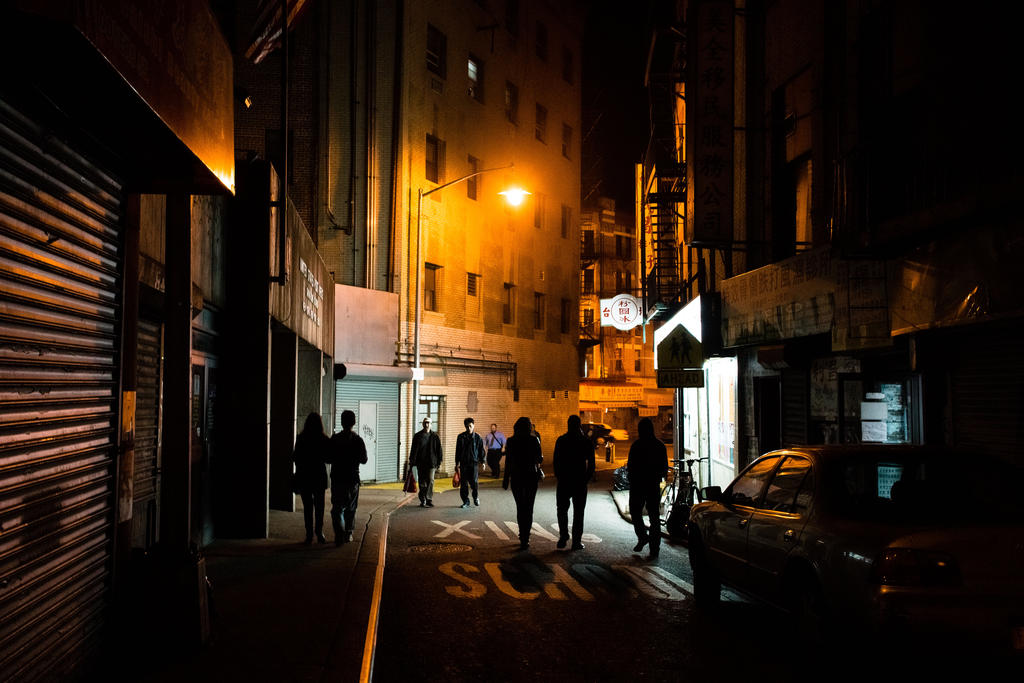
So with shutter speed we’re controlling the amount of light that reaches the camera. With ISO, we’re controlling how sensitive the camera is to that light. Think of ISO as shutter speed’s wingman in the ongoing battle to maintain good exposure. As shutter speed needs to increase (thus, reducing light), ISO increases to make more use of that light.
The good thing about ISO is that there’s not much thought to doing it. You increase it just enough to allow you to keep a manegable shutter speed. The hard part is that how much you can do that is dependent not on skill or artistic taste. But on how much you spent on your camera.
How do you alter ISO?
Frustratingly, this is often buried in some menu. Professional cameras have a button devoted to it.
TK button
I believe that most modern cameras have auto ability, and some are better than others. On bright days where there’s little chance that the camera will jack up the ISO to an undesirable level, I keep it at auto. In dark situations, I’ll jack up the ISO to a level that I know works for that camera.
How is ISO measured?
ISO is just a straight up number system. It usually bottoms out at 50 or 100. In expensive cameras, it can go up to as high as 12800.
A low ISO is good. A high ISO is generally undesirable.
What are the consequences of increasing ISO?
High ISO creates ugly, random noise.
Are there times when we want to increase ISO?
“Want” is the wrong word.
This is easy. Pretty much never. Unlike shutter speed, where a slow value (and steady hands) can create a cool motion blur effect.
It’s better to ask: when do we need to increase ISO?
And the answer: When we can’t maintain a slow shutter speed and when we can’t increase aperture.
How much ISO is too much?
This is all in the eye of the beholder. And, sorry to bring money into this, but the sensor of your camera.
A more expensive camera, particularly if that money goes toward a bigger, better sensor, can shoot at higher ISOs without
I should give you a word of note: some photographers who make a living out of it talk about the difference between ISO 200 and ISO 100. I suppose it might make a difference on poster or billboard sized prints. But I’ve always cared more about sharpness from shutter speed.
How does ISO relate to shutter speed?
When should I let the camera adjust ISO automatically?
When should I manually monitor the ISO?
The lower the ISO, the better.
ISO is perhaps the easiest component of exposure to master. If you have to increase your shutter speed, you can increase your ISO.
It’s easy because once you set it, you don’t have to do anything to gain from it, as the way you do with shutter speed.
How does ISO relate to aperture and shutter speed
Let’s say you’re trying to photograph an evening runTK.
(photo)
With a aperture of f2.8, your shutter has to remain open for a long time to illuminate the scene. But this means moving objects will be blurry. We want to at least have a shutter speed of at least 1/50th of a second:
As you can see, it’s pretty underlit.
(photo)
OK, we’re stuck at a fixed amount of light because our lens can only open up to f2.8 and because we can’t keep the shutter open longer than 1/50th of a second.
In other words, we can’t change the amount of light our camera brings in.
But we can change how sensitive the camera is to that light.
Let’s jack up the ISO:
(photo)
Now, things are visible and relatively sharp
What’s the catch?
Noise. It’s sometimes known as film grain but is not very desirable in digital cameras. Better cameras have less noise, and to me, this makes all the difference. You also have software options to reduce noise, but this creates blurriness.
(photo)
When walking around, what should my ISO setting be?
I like
Auto:
800 for a lesser camera
1600 for a better camera
For image quality, how important is ISO compared to aperture and shutter speed?
Without a doubt, you should almost always have your aperture at the widest setting.
At some point