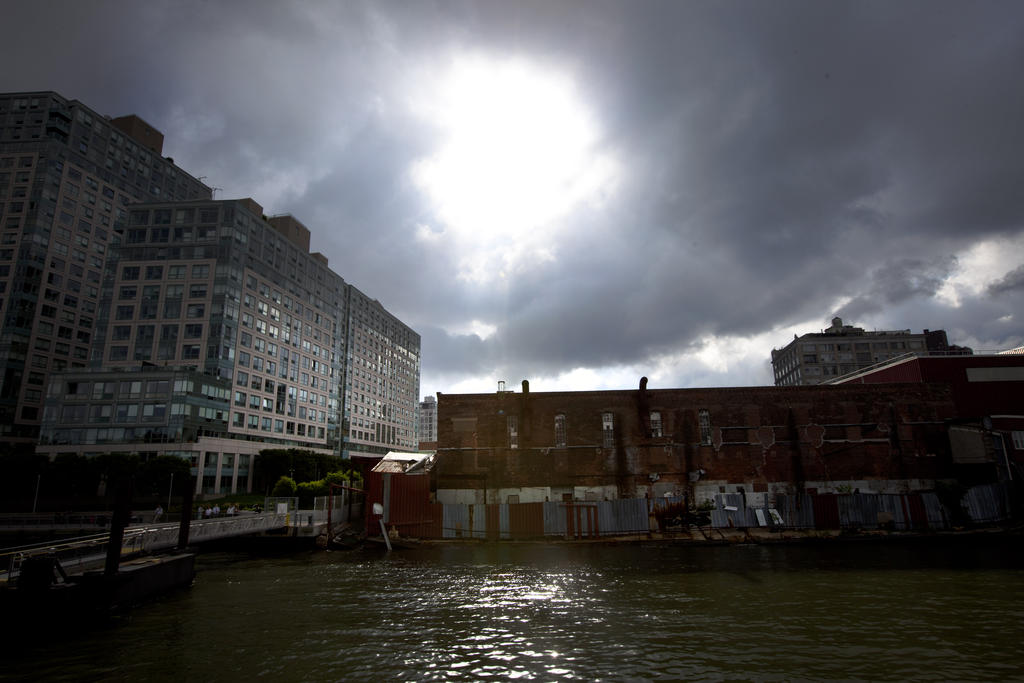
The second factor that controls light for exposure is the aperture, which is how wide the lens opens. This is as straightforward as shutter speed: the bigger the hole (i.e. aperture) that light goes through, the more light for the exposure.
The bigger that hole, the more light available for the exposure, which gives us another major way to control our photography.

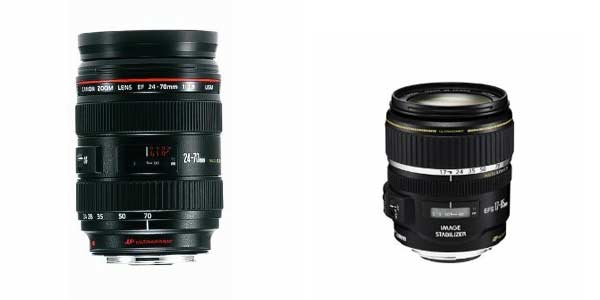
Why are some lenses called “fast”? And why are they so expensive/heavy?
We know that increasing the shutter speed reduces exposure. So if increasing (the width) of the aperture increases exposure…then:
wider aperture allows for faster shutter speed
Those expensive, bulky lenses are called “fast” because they let you shoot fast. A premium lens, at its widest setting, may allow two additional stops (four times the amount of light) than the widest aperture of a cheaper lens.
How does shutter speed and aperture number relate to each other?
Here’s a simple table showing the inverse relation between shutter speed and aperture value:
| Shutter speed | 1/1000 | 1/500 | 1/250 | 1/125 | 1/60 | 1/30 |
| Aperture value | 1.4 | 2.0 | 2.8 | 4 | 5.6 | 8 |
What’s with the numbering system for aperture?
A couple of things to note:
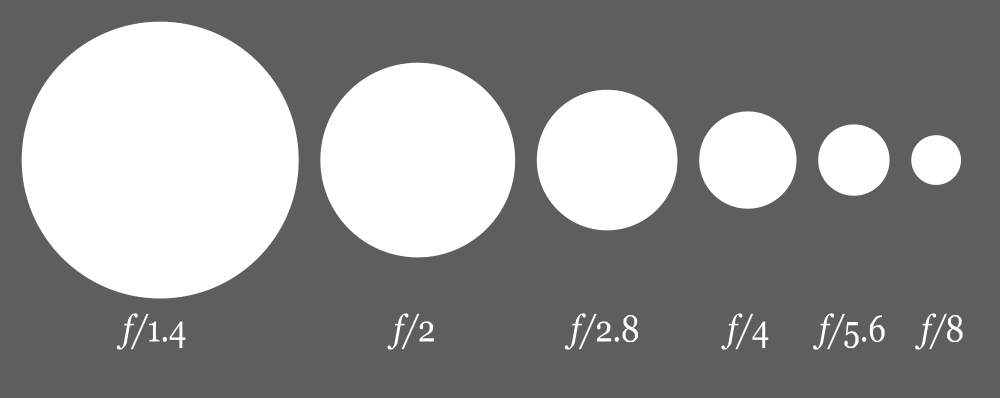
The f-number increases as the aperture physically narrows. This means that a low f-number, such as f/2.8, relates to a very wide aperture hole.
In shutter speeds, 1/50 is one stop more than 1/100…a simple ratio of 2. But you do not double/halve the f-number to get to the next stop, e.g. f/4 is one stop less than f/2.8. This goes back to your geometry lessons. Needless to say, it’s pretty easy to memorize the intervals and yet I don’t think it’s particularly important (I still haven’t memorized them).
How do I turn on Aperture Priority mode?
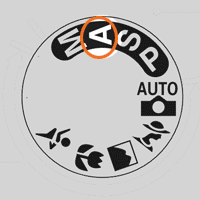
The mode is typically listed as A on your camera’s selection control (not to be mistaken for “Auto” mode).
As you twiddle with the aperture, you should notice two things:
- The shutter speed should decrease as the aperture value increases.
- You have much less leeway in adjusting aperture compared to shutter speed.
In other words, you might be able to keep the shutter open for as long as 30 seconds, which is something like 12 stops higher than 1/100th of a second.
But even the most expensive lenses don’t give you more than 6 to 8 stops between the absolute widest and narrowest aperture, e.g. f/2.8 to f/22.
In other words, with shutter speed, you can slow it down to whatever rate is necessary to see in the dark. But you can’t open the aperture of the lens to an arbitrarily wide point.
Thus you have less freedom in Aperture Priority mode to adjust to low light.
So why even use Aperture Priority mode?
I typically use shutter speed priority when walking around, especially when light is scarce.
However, when light is plentiful (which means you don’t worry that your camera will drop the shutter speed to a motion-blur inducing rate), then you may choose to go into aperture mode to have greater control over which part of your photo is in sharp focus.
This concept is called depth of field, and we cover it in the next lesson.