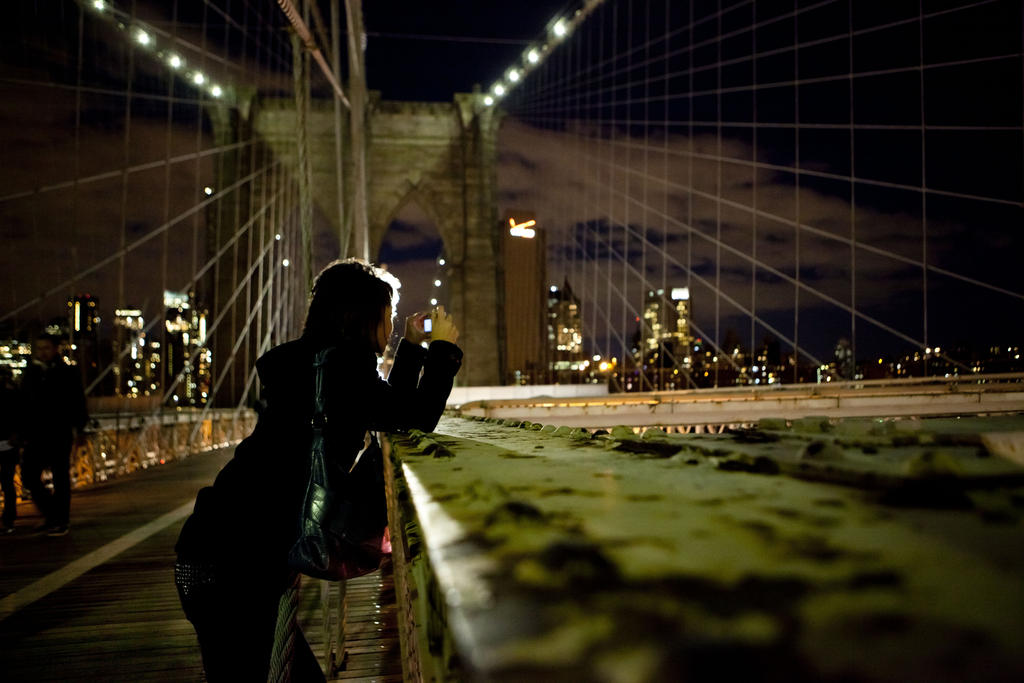
I originally conceived the Bastards Book to be a long blog post of tips on how to physically improve your photography. Part of that, when it comes to low-light photography, is being able to dampen your body’s movements when you don’t have a tripod.
Relax
I’ve experimented with clenching the camera against my chest or face. But I’ve found that this results in too many moving parts. Even if the hands remain still, your body or legs might push back too hard or not enough or not in the correct direction, creating some unintended movements. And this is before your muscles get tired.
It seems easier to have your body as a dead weight when possible, pushing up just enough against gravity TK.
It’s in your legs
The action may seem to be in the hands, but tennis players, fencers, and rock climbers know that the secret is in how you use your legs. Every slight quiver in your legs and trunk is magnified throughout the smaller limbs of your body. So it’s critical to keep your legs still, whether it’s in a relaxed slight bend in the knees or bracing against a wall. Even better, if it’s possible, is to just sit.
Improvise a tripod
This is pretty obvious when it’s possible. Find something to put your camera onto. A shelf, a ledge, a pile of rocks. Use your bag or crumple up your jacket as a base if you need extra height.
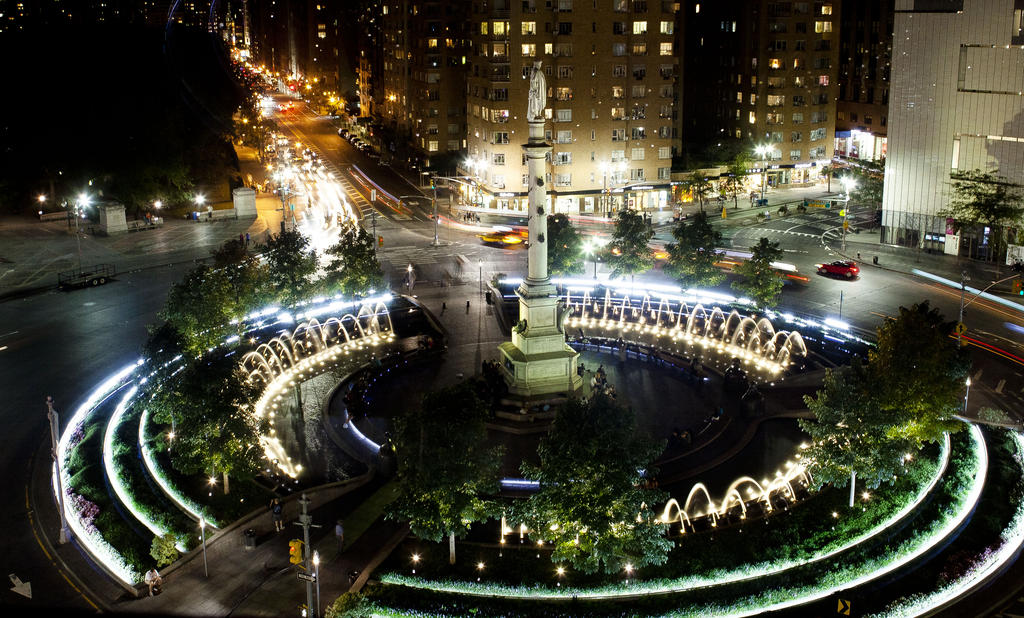
Be the tripod and/or ledge
The problem with resting your camera on an available surface is that it limits your range of views; for example, it’s difficult to shoot downward into the streets if your camera is flat on the roof ledge.
So brace your legs and body against the ledge and use your elbows as the other two “legs” of a tripod. This will keep the camera from moving up and down, but you still have to be wary of side-to-side movement. I find it useful to brace the camera slightly against my face, especially if I’m shooting upwards.
TK photo
If there’s no ledge, then try to use your body as the surface that your elbows brace against. Again, I find it easier to relax and push just enough, rather than clench tight. And, of course, it’s even more important for your legs to be in a stable position.
Keep your hands under the camera
This is for people who have a habit of adjusting the focus right (or other settings) of their camera (or lens) with an overhand grip. I don’t understand the point of this, maybe it’s a toilet-paper under/over thing.
For slow-shutter photography, the only thing that should be over the camera is your finger on top of the shutter button. Having the hands under the camera helps dampen that downward movement and positions your elbows to be braced against your body.
Deep breaths
The movement from your breathing is enough to cause blur. So, before you activate the shutter, and then, while it’s open, hold your breath comfortably.
I like taking a deep breath then exhaling slowly and holding it at the halfway point. It seems easier to control the natural slumping of the body that comes from exhaling.
Activate the shutter with a timer
Most cameras have a timer-mode in which the photo is taken 2 or even 10 seconds after the shutter has been pressed. This is handy for times when the photographer needs to set the photo up and then run over to be in the photo.
For very slow shutter shots, pressing the button can cause more than enough shake to ruin a photo, either from the downwards push of your trigger finger or from your body’s counter-reaction to it.
Using the timer lets you press the button and get comfortable. This is a handy trick even if the camera is resting on a semi-stable surface, as pushing the shutter button sometimes will cause the camera to shift.