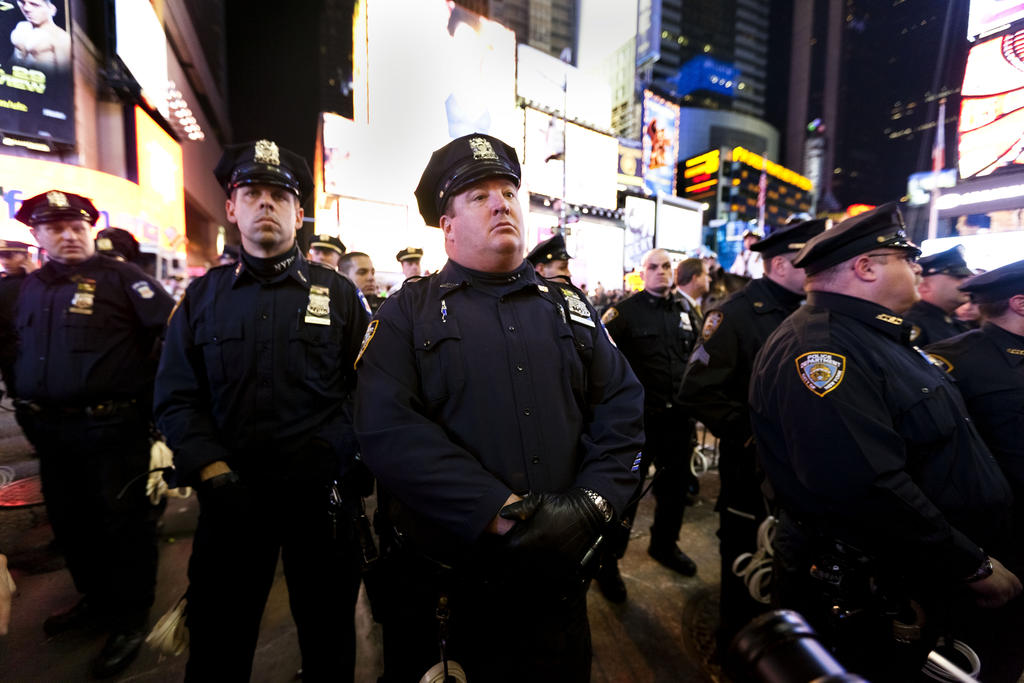
I’ll confess, I’m not someone who likes to overexpose, so I don’t have many examples or experiences to share. But sometimes, there are situations which call for bringing in more light than the camera thinks is necessary.
Why don’t you overexpose as often as you underexpose?
It’s not just an aesthetic thing; remember that underexposing is often forced on you because there’s just not enough light. It’s relatively rare to overexpose a dark scene except to achieve a certain effect.
When you have enough light, on a nice sunny day, then overexposing has an artistic use too. In my opinion, though, such an effect seems less realistic than the silhouetting effect of underxposure. Everyone knows what shadow looks like. But it’s rare to see blinding light, except when accidentally looking into the sun or having one of those near-death experiences.
But sometimes, you want to create an angelic effect. If so, overexposure is your thing.
What do I gain and lose when overexposing a photo?
Everything that was well-lit is now white. Things that were midtones are bright and shadows are less formidable.
What happens when you overexpose a dark scene?
Well, you get to see in the dark, kind of. Remember that there are physical barriers to this, as we learned in the underexposure lesson. If you don’t have a tripod or some other way to keep the camera steady, then you should probably shouldn’t overexpose. Because your unsteady hands will blur everything out.
But let’s pretend you have a reasonably stable setup and your subject isn’t moving. Let’s say the scene isn’t completely pitch dark – but your subject is even darker than the scene overall.
If your assignment is to get a usable, detailed photo of the subject, then by all means, you must overexpose.
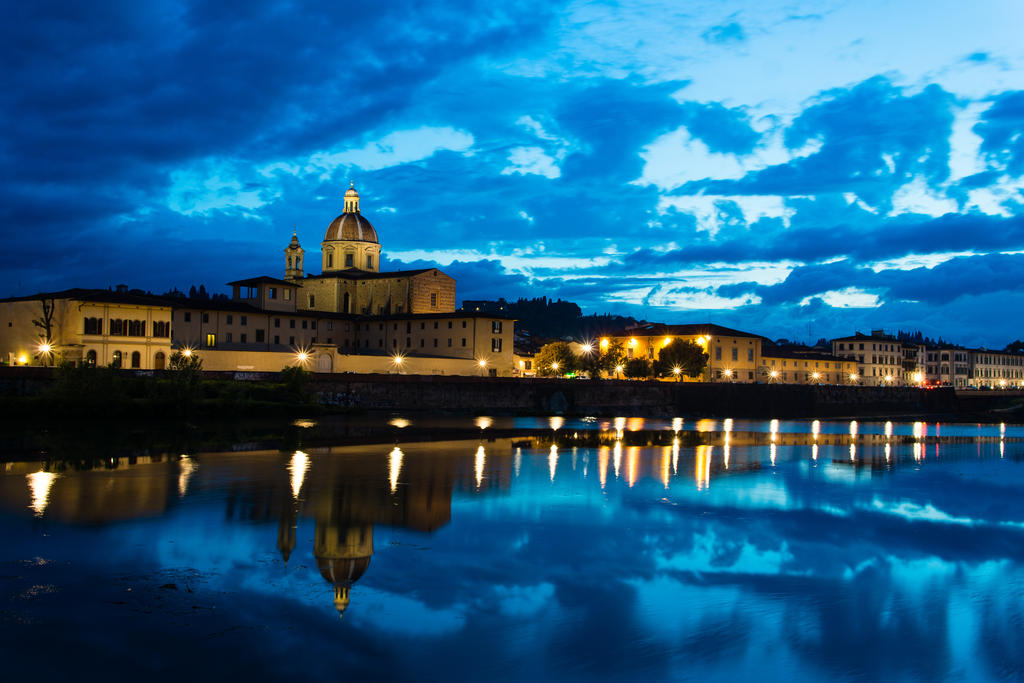
Overexposing at night almost always means using a long shutter speed. This can create a dreamlike effect as ambient light floods the sensor:
What happens when you overexpose a well-lit scene?
It may seem counter-intuitive, but overexposing a bright scene has the same artistic effect as underexposing. You hide details. Except in this case, the light details are hidden. Or, “blown out.”
Overexposure can be useful in blasting out the mundane background details to emphasize the details of the relatively dark subject:
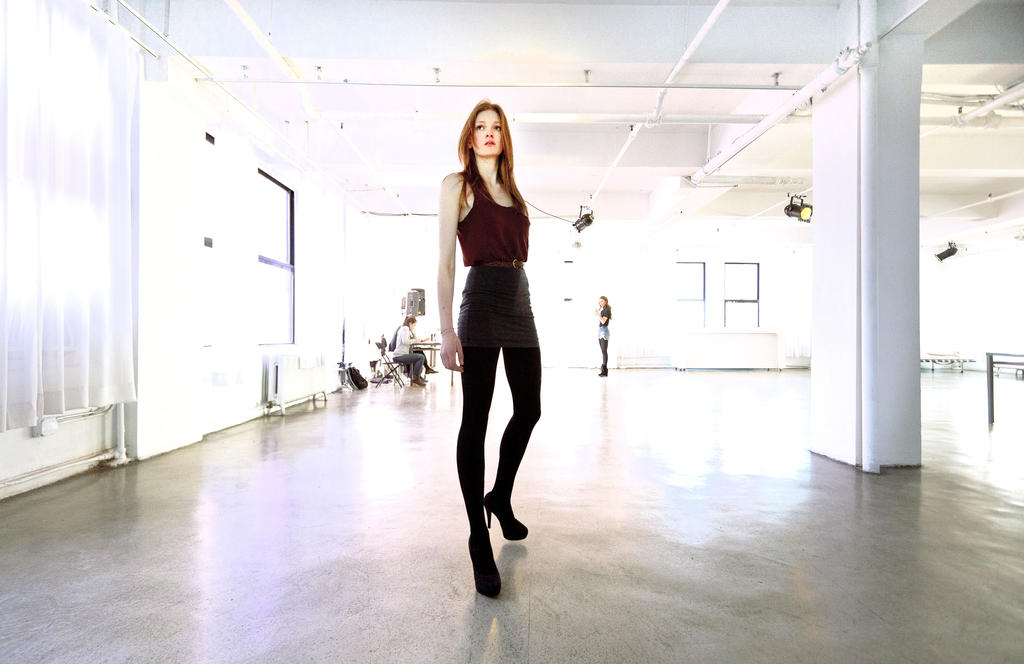
If your subject has a dark-complexion or dark attire, and you are shooting against a brightly lit scene, then you will have to overexpose (or use the camera flash) to see it.
Oops, I overexposed a photo and blew out some details. What can I do?
You have the same options as you did with underexposed photos. Programs such as photoshop can lighten up a scene and recover some detail, especially if you shot in RAW format. But again, if your camera recorded white pixels, there won’t be any detail to recover.