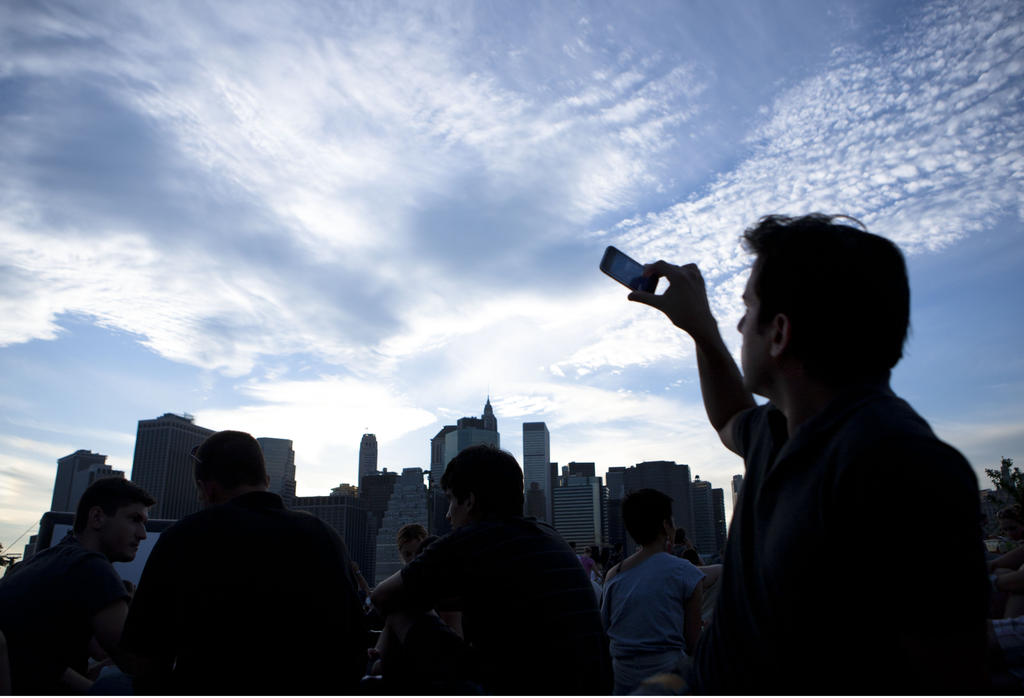
The best camera is the one you have with you. And modern phone cameras capture respectable images. So it’s worth debating whether you even need a dedicated camera when you already have a capable one inside your phone.
What’s the main difference between my camera phone and a “real” camera?
Manual controls. Notably, the ability to adjust shutter speed, aperture, and ISO.
For the purposes of this guide, it’s best to separate cameras into two worlds:
Simple point-and-shoot cameras – You point the camera – its computer automatically handles the shutter speed, aperture, and ISO for you – and you press the button. This category covers virtually all camera phones and digital cameras under $200.
Everything else – You have the option of manually adjusting shutter speed, aperture, and ISO, among many other settings.
So what’s wrong with automatic control?
Nothing, really. In fact, I’ll sometimes switch my camera to automatic because it does such a great job and I’d rather focus on finding the right scene or moment rather than if my dials are in the right place.
But the camera’s computer doesn’t always make the right choice. One of the easiest cases is when trying to capture light trails of traffic at night.
My iPhone 4S captures this:
This is not a bad image at all. It compares well to my $1200+ Sony NEX-7:
Sure, it looks better. But $1,200 better? I don’t think so.
But here’s something my dedicated camera – and it doesn’t have to be the NEX-7, it could be any number of sub-$300 advanced compact cameras, or film cameras for that matter – can do that a camera phone can’t:
I created this scene by setting the shutter speed to a slow enough value that in the time it took for the camera to open up and close, the traffic had moved a significant distance, causing those light trails.
There’s not a technical reason (I think) why a camera phone couldn’t do this. I think the main reason is that phone designers don’t see the need to clutter up phones with such complexity. And they’re right: capturing motion trails is a pretty limited use case.
But there are lots of other methods and techniques of photography only available in dedicated cameras. In other words, manual controls give you more artistic control. If that’s important to you, then yes, buying a dedicated camera is a justifiable decision.
So what’s the right dedicated camera for me?
After the question of “Does it have manual controls?” is answered, then things can get considerably complex. There is no perfect answer because among the well-reviewed cameras, it comes down to tradeoffs.
My boilerplate advice is this: choose something that fits with what you’re used to.
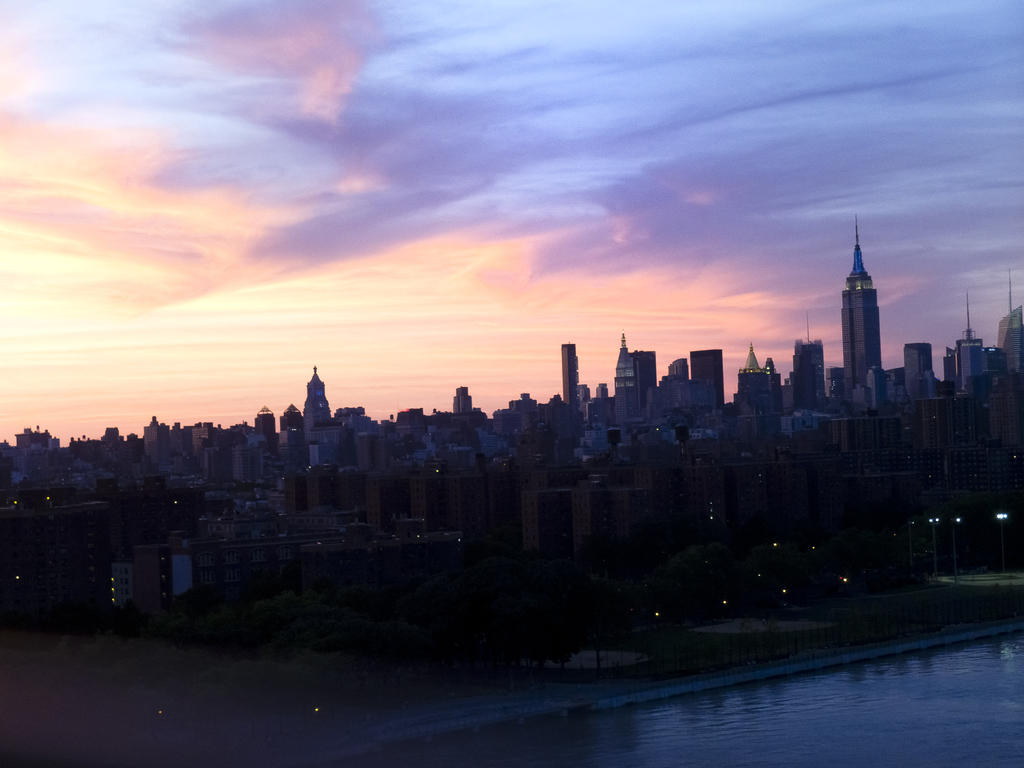
If all you’ve used is a camera phone, then you’re not used to carrying a separate bag for a camera. If you buy an expensive bulky camera and can’t deal with the change-in-routine it requires to bring it along, then you may be wasting a lot of money. If you live in a big touristy city like New York, where it’s acceptable (and safe) to carry huge cameras around for any occasion and you can literally point your camera anywhere and take an interesting photo, then maybe you’ll care more about image quality than pocketability.
Luckily, there’s a wide variety of great cameras at reasonable price points, enough to let you make good decisions about tradeoffs. I don’t have much advice on what specific model or brand you should get, but I’ve devoted another chapter to things you should be thinking about.
How much will a mediocre camera hold me back?
It’s hard to say, honestly. I know the feel-good answer is: “it doesn’t matter.”
And this is true in many, many ways. I devote an early chapter on how the quality of light is the main factor in most great photos.
But while a bad camera won’t keep you from taking amazing photos, a good camera will make it easier. And it can be encouraging the camera produces results that, more often than not, match what you intended.
I can think of plenty of people who’ve bought extravagant camera systems yet who’ve never produced a more worthwhile photo than the photos found in the portfolio of someone with a dinky camera but more vision/creativity/hustle. On the other hand, who knows that that latter photographer could’ve created with a better camera?
So if you’re buying a camera, don’t go into it thinking that spending more money will make you a better photographer. But don’t go into it without thinking carefully about the importance of certain features, lest you end up settling for a terrible camera that holds you back.